Menu
Pruning vs. Thinning: Best Tree Care for Bell’s Urban Landscape
Tree Pruning Bell
In Bell’s dense urban environment, proper tree maintenance requires understanding the distinct differences between tree pruning and thinning techniques. Both practices serve essential roles in maintaining healthy trees, but they address different needs and achieve different outcomes. For residents seeking optimal tree care solutions, knowing when to apply each technique ensures the longevity and beauty of trees throughout the city.
Understanding the Basics of Pruning Trees
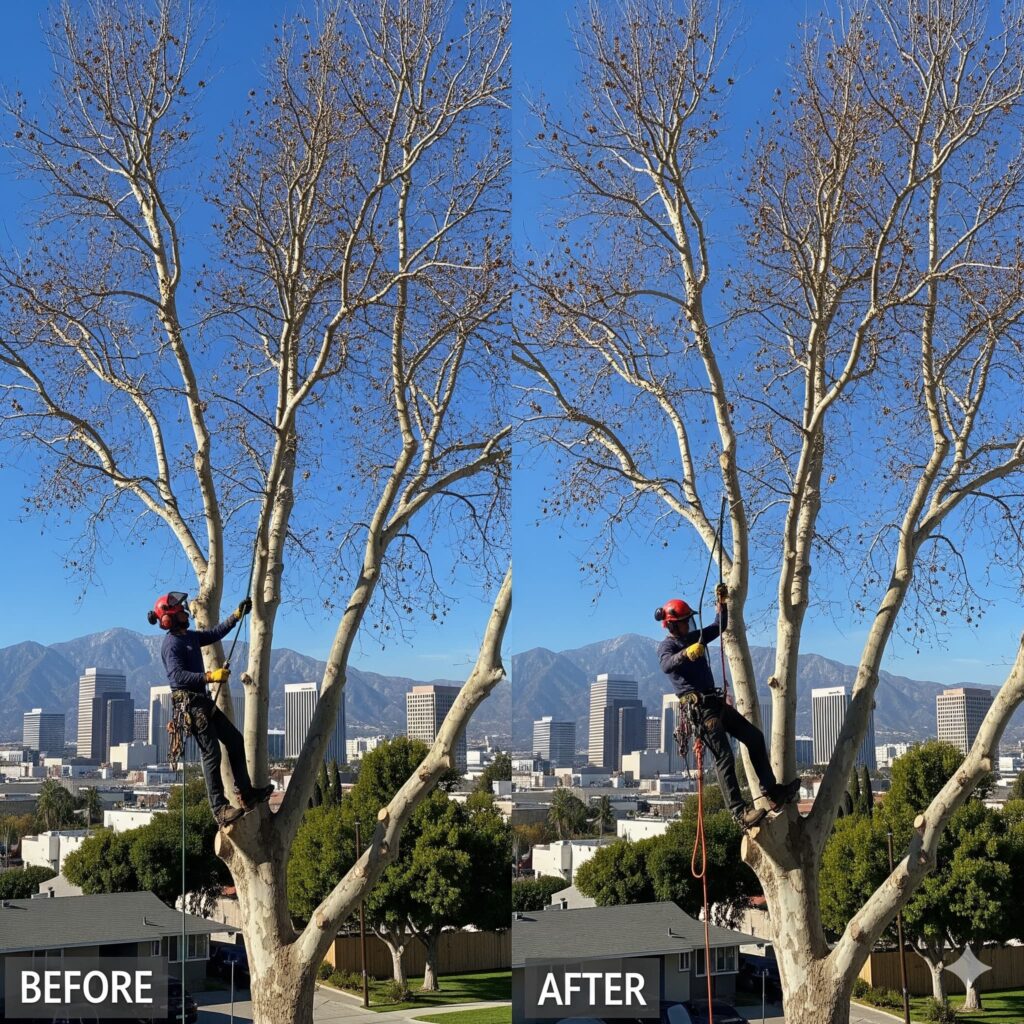
Pruning is the process of cutting off branches, limbs, or parts of trees for the purpose of accomplishing a goal (such as enhancing the structure, health, appearance, or safety of a tree). There are several types of pruning that are performed for a variety of reasons, and all are part of the broader category of pruning. When selecting a pruning technique, arborist professionals will take into consideration many things,s including the type of tree being pruned, its age, where it is located, and what the intended outcome of the pruning is.
The Los Angeles Department of Recreation and Parks defines three primary pruning techniques used in urban areas as crown cleaning, crown raising, and crown reduction. All three involve the removal of dead, diseased, or damaged wood. However, the main difference among them is how much of the tree’s structure is removed and the way in which the remaining structure is altered.
Because of the close proximity of many of the trees in Bell to residences, power lines, and pedestrian walkways, it is especially important to properly prune the trees in the city to ensure safety and to prevent potential damage to properties. Additionally, the California Public Utilities Commission has rules governing the amount of clearance required between tree branches and electrical facilities. Therefore, regular pruning of trees is necessary to meet the safety requirements of the CPUC and to ensure reliable utility service.
What Is Crown Thinning?
Crown thinning is one of the many pruning techniques used to prune trees. It involves the selective removal of live branches from throughout the tree canopy to reduce the density of the canopy without changing the overall size or shape of the tree. The goal of crown thinning is to increase the light penetration and air circulation into the tree canopy while maintaining the natural structure of the tree.
When performing crown thinning, the arborist will select the branches to be removed carefully. Typically, he will target crossing, rubbing, or competing branches. The selected branches are then cut back at the point of attachment to the larger branches, creating a more open canopy structure while still providing support and strength to the tree.
Although there are new trends in modern arboriculture regarding crown thinning, it is still a widely accepted practice by many arborists. Current industry best practices recommend avoiding routine crown thinning because it can potentially negatively impact the tree’s health and structure. Modern arboriculture is shifting towards structural pruning techniques that focus on creating strong branch architecture as opposed to simply reducing the density of the tree canopy.
Advantages and Uses of Traditional Pruning Techniques
- Crown cleaning eliminates potential safety hazards caused by dead, dying, diseased, or broken branches. It also promotes tree health and prevents the spread of decay organisms within the tree structure.
- Crown raising involves cutting off the lower branches of the tree to provide clearance for pedestrians, vehicles, and buildings. This technique is particularly useful in Bell’s residential neighborhoods, where trees can obstruct pedestrians walking along sidewalks and streets.
- Crown reduction is a pruning technique that reduces the overall size of a tree. This is accomplished by cutting branches back to lateral limbs that are large enough to replace the terminal limb. This is beneficial to trees that have grown beyond their available space and/or present a hazard to nearby structures.
- Arborists who perform crown reduction must do so in accordance with International Society of Arboriculture standards and ANSI A300 pruning specifications to ensure proper tree care.
Considerations in Urban Environments
Bell’s urban forest consists of a diverse array of tree species. Each species of tree will respond differently to pruning. Some species of trees are native to California, while others were introduced to the state from elsewhere.
California sycamores are native to riparian areas throughout Southern California and will grow to heights of up to 40-80 feet. They develop an irregular branching pattern and require special care to maintain the structural integrity of the tree in an urban setting.
Coast live oaks are a common tree found in urban areas throughout Southern California. Many cities have ordinances in place to protect coast live oaks once they reach certain size thresholds. Arborists must have knowledge of these regulations and know how to properly care for coast live oaks.
Many of the trees in Bell’s urban forest experience stress from pollution, soil compaction, and limited root development. Due to these limitations, arborists must use pruning techniques that are specifically adapted to address the stressors experienced by the tree in order to keep the tree healthy.
Benefits to Air Quality and Pollution Reduction
Trees in Bell’s urban forest play a significant role in cleaning the air we breathe. By filtering pollutants from the air and producing oxygen, trees greatly benefit the quality of the air in the Los Angeles area. Proper pruning techniques can enhance the ability of trees to clean the air by keeping the trees healthy and vigorous and promoting maximum leaf surface area for air-cleaning functions.
Studies have shown that strategically planted trees can save consumers money on their summer cooling bills by providing shade that keeps buildings cooler. To ensure that trees continue to provide these economic benefits while preventing excessive shade that could lead to poor growth or moisture issues, the canopy density of the tree must be kept at an acceptable level. Proper pruning techniques can help achieve this goal.
Healthy urban forests are vital in helping to mitigate the air quality problems in the LA area. Trees capture particulate matter in the air, absorb gaseous pollutants, and help to mitigate the urban heat-island effect that occurs in densely populated areas such as Bell.
DIY vs. Professional Pruning
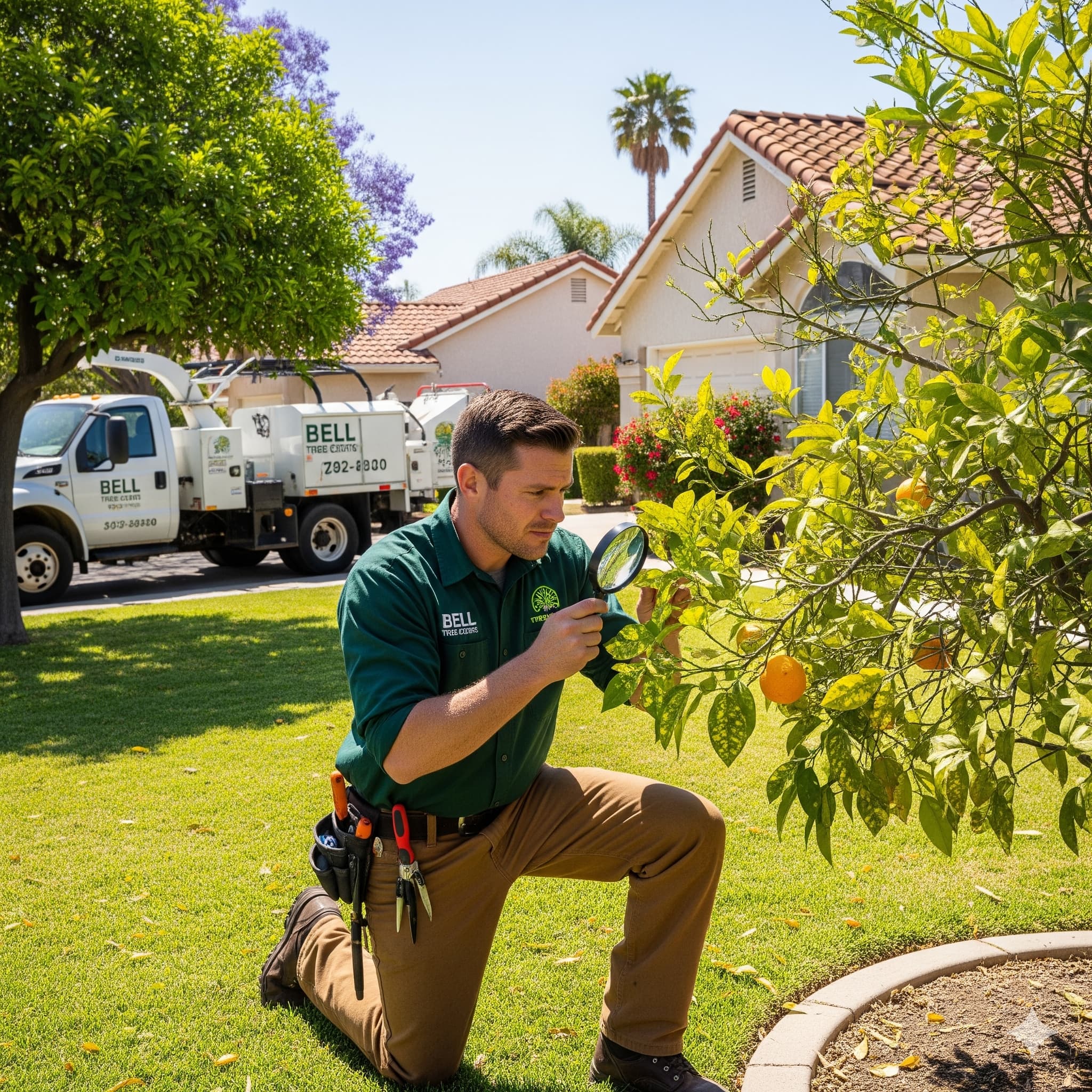
Pruning trees in urban areas requires specialized knowledge, equipment, and training that is usually beyond the capability of homeowners. Certified arborists know species-specific pruning requirements, the proper time to prune trees, and the techniques to promote long-term tree health.
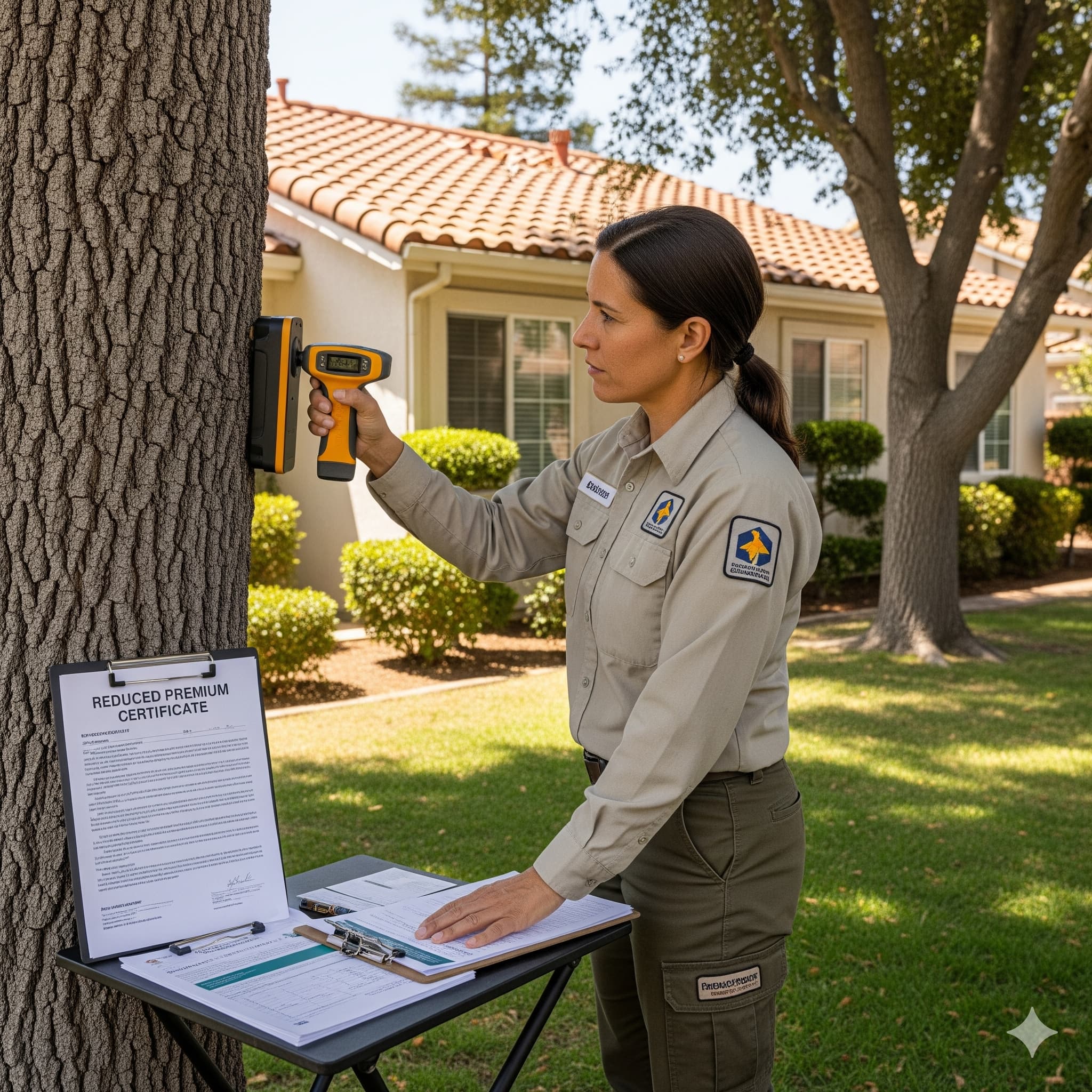
In California, certification is required for arborists working near power lines and/or pruning protected tree species. Homeowners must obtain permits before conducting certain tree work in Bell, and hiring a certified arborist will ensure that you comply with local ordinances and safety regulations.
Homeowners who attempt to prune their own trees may inadvertently cause permanent damage to the trees. Improper pruning techniques, such as topping, lion-tailing, or excessive thinning, can result in weakened branch structures, attract pests, and shorten the lifespan of the trees.
Seasonal Considerations and Timing
While most tree species benefit from dormant-season pruning, there are times when trees require pruning at other times of the year. Oak trees, for example, should be pruned during the dry season to minimize the risk of transmitting oak wilt disease. Trees that produce flowers on last year’s wood may require pruning after blooming to allow for flowers on this year’s wood to bloom.
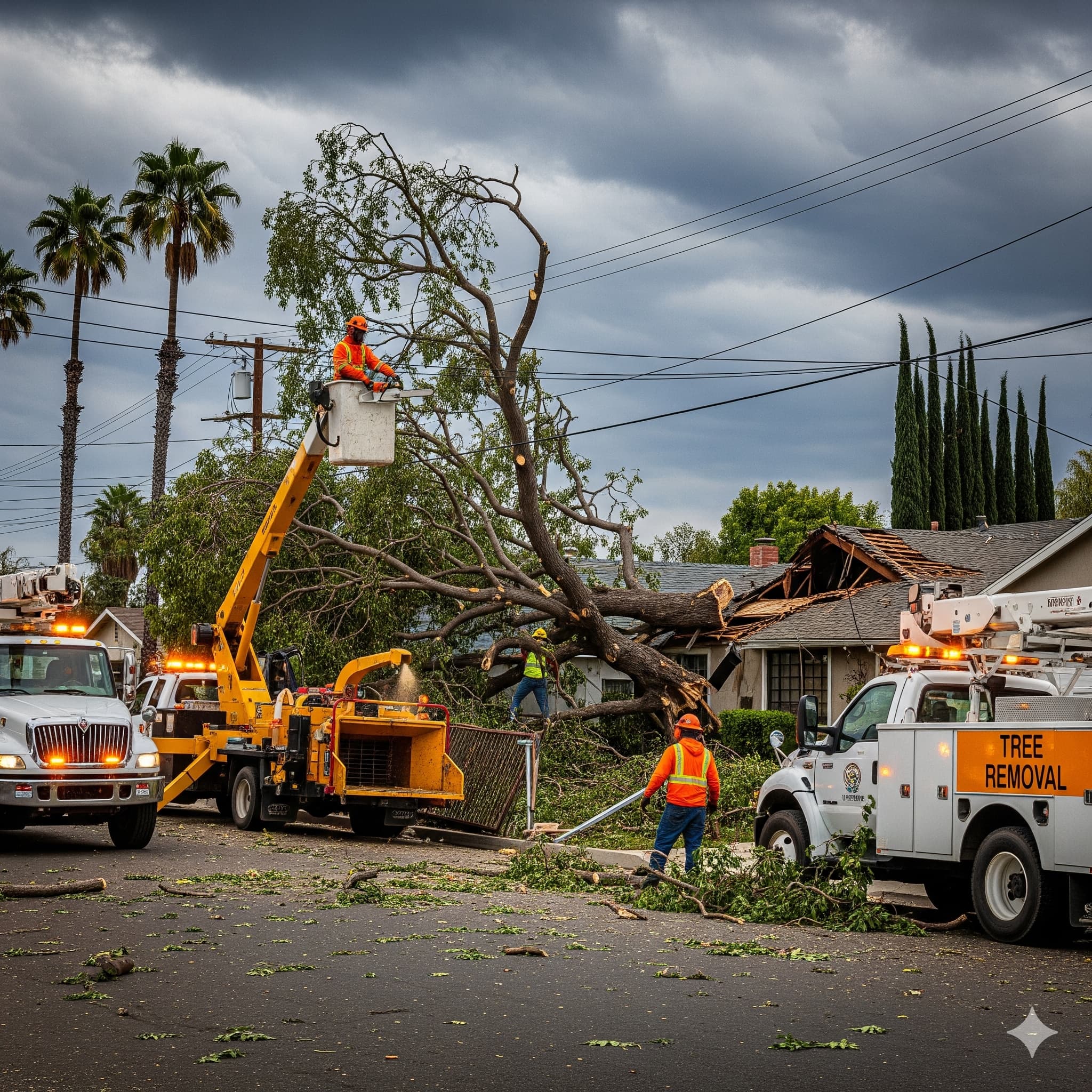
Regardless of the time of year, emergency pruning is required when the safety of people or property is at risk due to hazardous branches. If possible, follow-up structural pruning should be delayed until the appropriate time of year.
Species-Specific Pruning Methods in Bell
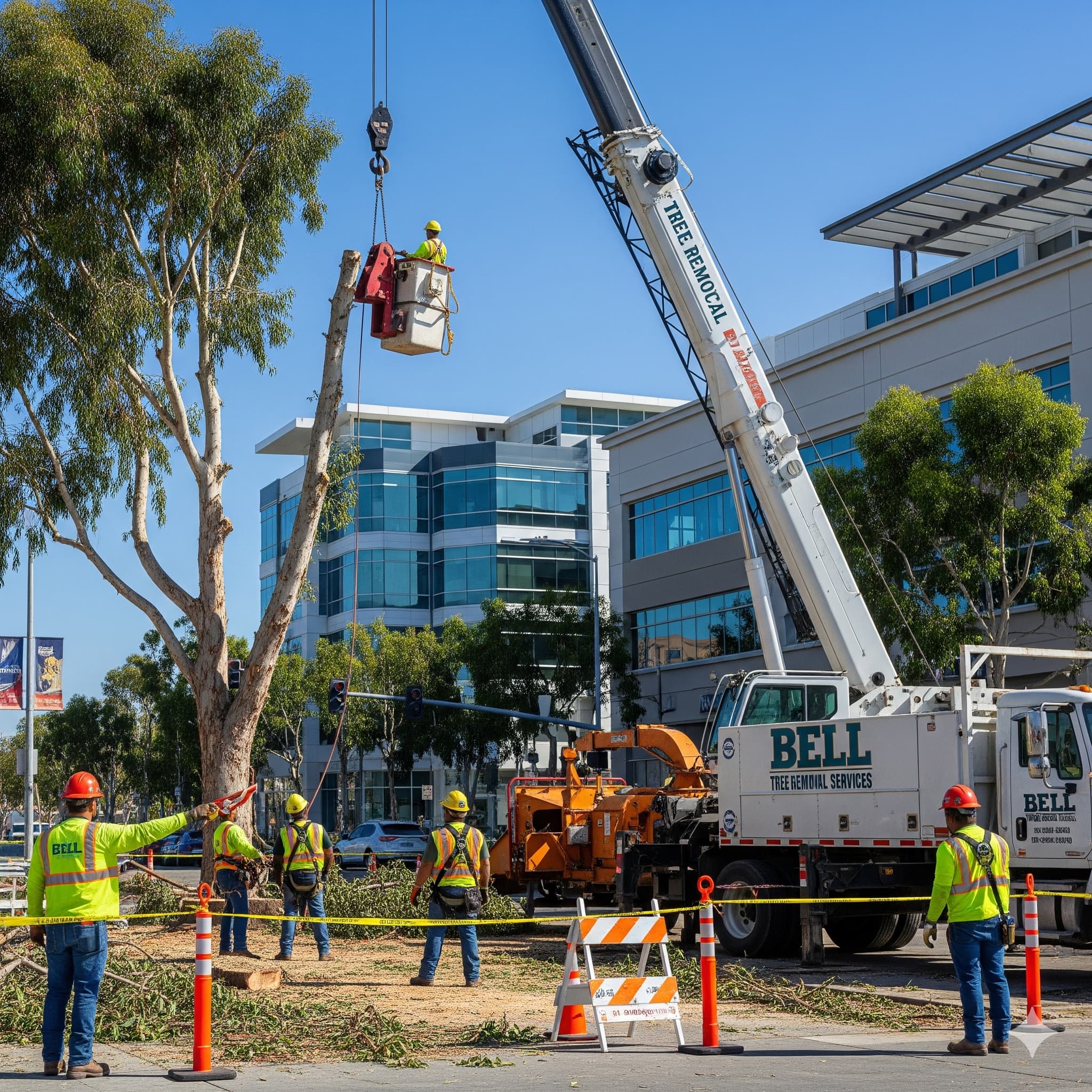
- Eucalyptus species, although considered invasive in coastal regions, are very common in urban landscapes. They require specific pruning methods to manage the tree’s tendency to produce weak branch attachments and fast growth.
- Palms require a distinct pruning method that focuses on the removal of dead fronds and seed stalks as opposed to traditional pruning methods. Over-pruning palms can weaken them and make them vulnerable to pests and diseases.
- Fruit trees, either maintained for production or strictly ornamental, will require differing pruning methods depending upon the desired results. Fruit trees are typically pruned annually in the dormant season to maintain size and promote healthy growth.
Integration with Infrastructure and Safety
Bell’s urban environment requires that tree pruning decisions include considerations of utilities, buildings, sidewalks, and vehicular traffic. Power line clearance requirements demand specific pruning methods that balance tree health with electrical safety requirements.
As roots of trees near sidewalks or foundations may be impacted by pruning, root system consideration becomes an important factor. Reduced canopy size achieved through pruning can assist with balancing trees when root systems have been compromised by construction activities.
Pruning of street trees must consider vehicle clearance, pedestrian safety, and visibility requirements for traffic control devices. Crown raising is typically used to accomplish these objectives. Since crown raising may result in shock to the tree, it should be accomplished in stages over multiple growing seasons.
Urban Forest Planning and Environmental Benefits
Successful urban forest planning in Bell must consider the needs of individual trees in the context of the health of the total community forest. Proper pruning of trees enhances the longevity of the trees, reduces future replacement costs, and provides continued canopy benefits to property owners. Routine pruning cycles provide arborists the opportunity to discover and correct potential problems prior to becoming major issues.
Proper pruning of trees maximizes the environmental benefits that the urban forest of Bell provides. Healthy canopies optimize carbon sequestration, air pollution removal, and stormwater interception. Structural pruning that creates strong branch architecture minimizes the potential for branch failure during extreme weather events, thereby protecting both the tree investment and sthe urrounding property.
When pruning trees that serve as wildlife habitats, timing the pruning must coincide with the end of the breeding season to protect the ecological relationship between the tree and the wildlife. Additionally, timing the pruning to coincide with periods when animals are less likely to occupy the tree will help minimize the disturbance to the animal population.
Conclusion: Selecting Appropriate Pruning Methods for Bell
Whether to use traditional pruning methods or more specialized methods such as crown thinning is dependent on the specific tree condition, species characteristics, and management objectives. In general, structural pruning methods that emphasize creating a strong, stable tree will yield greater long-term success than routine crown thinning.
A professional arborist can assess the needs of a tree and develop a customized maintenance plan to ensure the tree thrives in Bell’s urban forest while meeting the community’s environmental and aesthetic goals. Contact Precision Tree Services Bell today for an expert evaluation of your trees’ pruning needs.
LATEST POSTS